
Dr Emad-Ud-Din
Tenured Professor School of Material & Mechanical Engineering, (SMME)
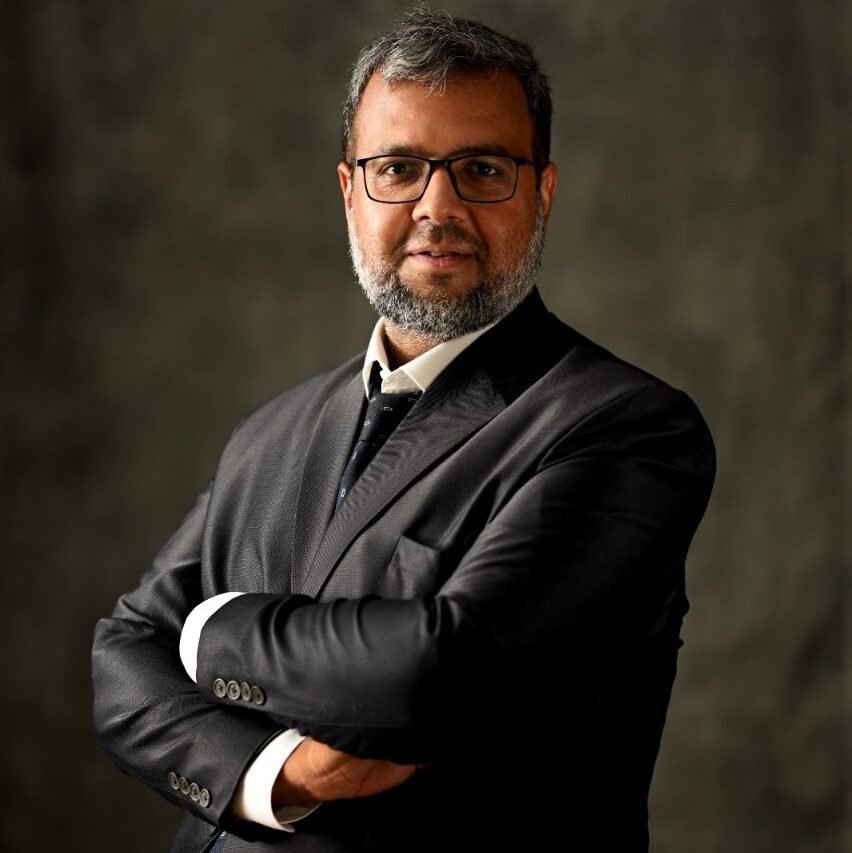
Dr. Emad Uddin is a Tenured Professor of Mechanical Engineering at the National University of Sciences and Technology (NUST), where he previously served as Head of the Department while maintaining a highly active research portfolio in fluid mechanics. A distinguished academic leader and nationally recognised expert in Outcome-Based Education (OBE), he also serves as a Program Evaluator (PEV) for the Pakistan Engineering Council (PEC). His extensive experience in academic quality assurance, curriculum development, and accreditation equips him with profound, hands-on expertise in top-down curriculum design, learning outcomes development, and compliance with national and international accreditation standards.
With higher education increasingly focused on learner outcomes, quality enhancement, and continuous improvement, Dr Emad has played a pivotal role in helping academic programmes align their curricula with the principles of Outcome-Based Education. His work supports institutions in designing curricula that are student-centred, measurable, industry-relevant, and responsive to evolving societal and professional needs.
During this NCTL session, Dr Emad will guide newly inducted faculty through the foundational principles and practical application of Outcome-Based Education (OBE). Participants will gain a comprehensive understanding of the Program Educational Objectives (PEOs), Program Learning Outcomes (PLOs), and Course Learning Outcomes (CLOs) hierarchy, along with effective assessment mapping and the Continual Quality Improvement (CQI) process.
Drawing on his extensive experience in academic leadership, accreditation, and research, Dr. Emad will use practical examples from both engineering and non-engineering disciplines to demonstrate how constructive alignment can be achieved between curriculum design, teaching strategies, learning activities, and assessment practices. The session will equip faculty members with practical tools and systematic workflows to translate stakeholder expectations into meaningful learning outcomes, develop evidence-based assessment practices, and foster a culture of continuous quality enhancement that ultimately improves student learning and programme effectiveness.